We’d love to hear from you — whether you have a project in mind, or just want to say hi.
hello@komostudio.co.uk

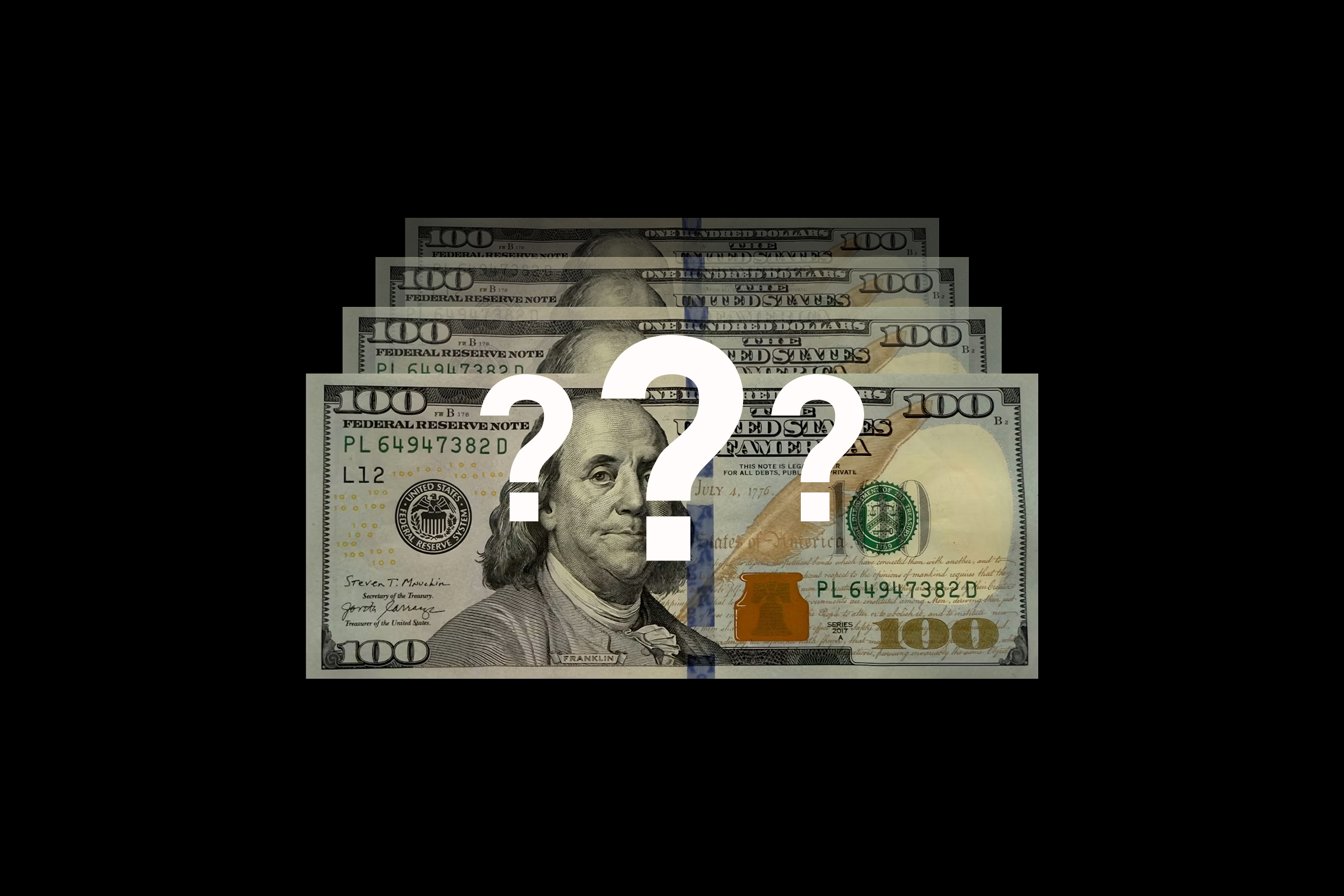
"How much will this cost?" is usually one of the first questions we're asked, and it's one of the hardest to answer in a single line. Two design projects that sound similar on paper can vary enormously in price, and it isn't always clear why.In this article, we'll explain what influences the cost of a brand identity or design project, what you should expect to be included, and how to make sure you're getting real value for your investment.
Design isn't a standard product with a fixed price tag. You're paying for strategy, creative thinking, experience, and time, not just the final files. A quote from a freelancer, a small studio, and a large agency can all look very different, and each may be right for a different type of business. The key is understanding what sits behind the number.
The biggest factor in cost is what you actually need. A logo on its own is a very different project to a full brand identity, which might include colour palettes, typography, brand guidelines, stationery, and social media assets. Before requesting a quote, it helps to consider whether you need a single deliverable or a complete visual system that can grow with your business. If you're unsure, a designer can help you work out where to start and what can wait.
The thought processes behind good design start long before any software is opened. Time spent understanding your business, audience, and competitors shapes every creative decision that follows. Projects that include in-depth research and strategy naturally cost more than those that skip straight to visuals, but they're also far more likely to deliver a result that works for your business. This is the part of the process that's hardest to see in the final files, but it’s part of a designers job to sit, think, and problem solve.
Some projects involve developing several creative directions before refining one, while others follow a more focused approach. The number of concepts and feedback rounds included in a project will affect the time involved, and therefore the price. It's worth asking upfront how many revisions are included and what happens if you need more, so there are no surprises if the project evolves along the way.
Experienced designers can often reach the right solution more efficiently, because they've solved similar problems before. You're paying for judgement as well as time, and that experience is often the difference between a design that simply looks good and one that genuinely supports your business goals. A lower hourly rate doesn't always mean a lower final cost if a project takes longer or needs reworking.
Where your design will be used matters. A brand that will appear on packaging, signage, print collateral, and digital platforms requires more consideration, and more files, than one designed for a single social media profile. As covered in our guide to design file formats, the final file package is part of what you're paying for, and it's worth confirming exactly which formats will be included.
Tight deadlines can affect pricing, as they often mean reshuffling other projects to prioritise yours. Allowing a realistic timeline gives everyone the space to do their best work, and usually keeps costs more predictable.
Each option comes with its own strengths. Freelancers can offer flexibility and lower overheads, which suits smaller projects with a clear scope. Larger agencies bring extensive resources and specialist teams, but their pricing often reflects significant overheads such as offices and account management layers. Smaller studios sit somewhere in between, offering senior-level attention and a dedicated process without the cost structure of a large agency. As a remote studio, we keep our overheads low, which allows us to focus your budget on the creative work itself.
It's worth asking whether a quote covers everything, as some costs sit outside the design fee. These can include stock photography or illustration, premium font licences, and printing or production costs if your design is going to physical print. None of these are unreasonable, but knowing about them early means you can plan your budget properly rather than being caught off guard later.
The cheapest quote isn't always the best value, and the most expensive isn't always the best quality. Be cautious of quotes that don't clearly explain what's included, and look for a studio that's open about its process, deliverables, and how additional work would be handled. A clear, itemised proposal is usually a good sign. It should also be clear who owns the final artwork and how the work can be used once the project is complete.
Being clear about your goals, timeline, and priorities from the start helps any designer give you an accurate quote. Sharing examples of brands you admire, along with any budget parameters, allows us to tailor a proposal that makes the most of your investment. It also helps to think about design as a long-term investment rather than a one-off cost. A strong brand identity can support your business for years, through everything from your website to your printed materials, and a well-built foundation is far cheaper than repeatedly redesigning as you grow.
Ready to talk about your project? Get in touch and we'll put together a quote that fits your business.